
How EMDR Can Help Anxiety
Anxiety can feel like living in constant alert mode — your mind racing, your body tense, and your thoughts looping through worry or fear. You may notice your heart pounding, your breath shortening, or your stomach tightening even when nothing seems “wrong.” Sometimes anxiety shows up as irritability, perfectionism, or the need to control everything just to feel safe.
At Healing Through Connection, we understand how exhausting it can be to live with anxiety. You may have tried relaxation techniques, mindfulness, or talk therapy and still feel stuck in the same patterns. That’s where EMDR therapy can help.
What Is EMDR Therapy?
EMDR therapy (Eye Movement Desensitization and Reprocessing) is a structured approach that helps your brain process distressing memories and experiences that may be fueling your anxiety. Instead of focusing only on symptoms, EMDR works with the root causes — the moments when your nervous system learned to stay on high alert.
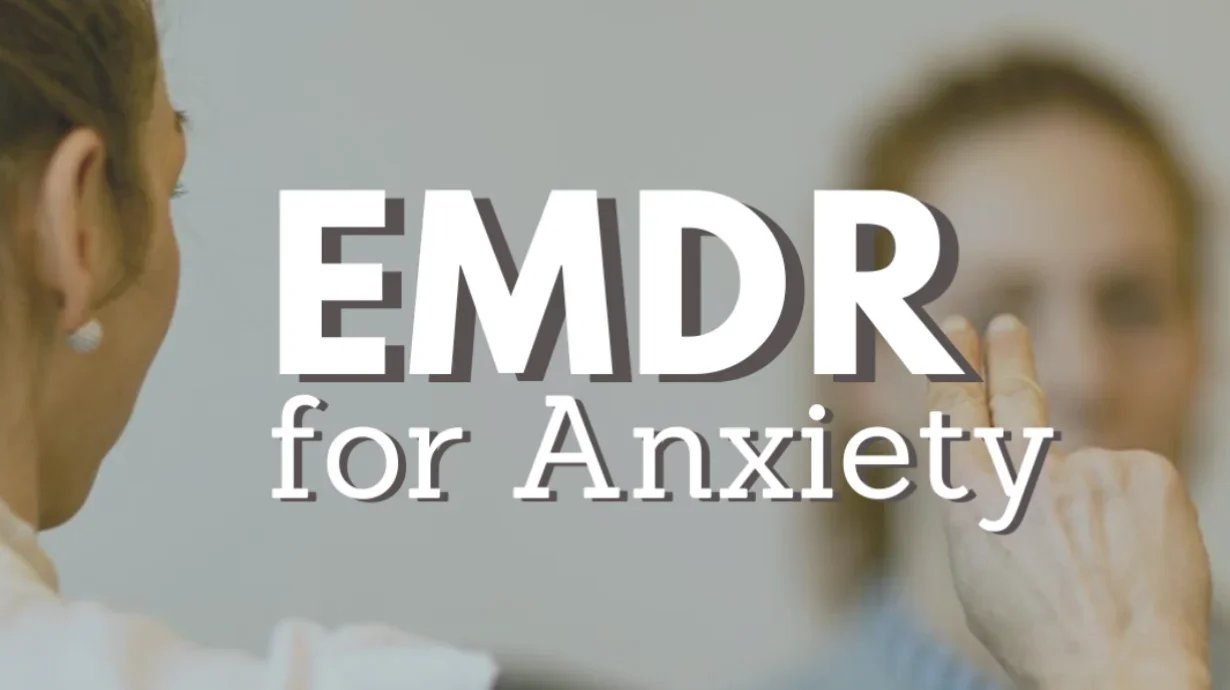
During EMDR sessions, your emdr therapist guides you through gentle bilateral stimulation, often using eye movements, tapping, or sound. This process helps your brain reprocess painful or confusing experiences so they no longer trigger the same intense emotional or physical reactions.
You don’t have to relive every detail or explain everything in words. EMDR allows your mind and body to do the healing work together. Over time, the memories that once felt charged or threatening begin to feel neutral, and your system learns that it’s safe to relax.
How EMDR Helps Reduce Anxiety
Anxiety often develops when your brain stores stressful experiences in a way that keeps them active — as if the danger is still happening. EMDR helps your brain recognize that those experiences are in the past.
Here’s how EMDR can help you find relief:
Reprocessing stuck memories: EMDR helps release the emotional intensity connected to past experiences that may be driving your anxiety.
Calming the body: Bilateral stimulation used in emdr eye movement therapy or rapid eye movement therapy helps regulate your nervous system, reducing physical tension and hypervigilance.
Changing negative beliefs: Anxiety often comes with thoughts like “I’m not safe” or “I can’t handle this.” EMDR helps you replace those beliefs with more balanced, compassionate ones.
Building resilience: As your system learns to respond differently, you gain confidence in your ability to manage stress and uncertainty.
Many clients describe feeling lighter, calmer, and more present after EMDR sessions. The goal isn’t to erase anxiety completely — it’s to help you feel more in control and less consumed by it.
What EMDR Sessions May Look Like
Your EMDR counselor will begin by helping you understand how anxiety affects your body and mind. Together, you’ll identify the memories, sensations, or triggers that seem to activate your anxiety.
Sessions may include:
Grounding and relaxation techniques to help you feel safe
Bilateral stimulation through eye movements or tapping
Reflection and integration to connect new insights and emotions
Each session is paced carefully. You remain in control, and your therapist adjusts the process based on your comfort level.
EMDR counseling is not about forcing change — it’s about creating space for your nervous system to heal naturally.
Why Choose Healing Through Connection
At Healing Through Connection, we specialize in trauma-informed care that honors your story and your pace. Our therapists integrate EMDR with relational and attachment-based approaches to help you feel safe and supported.
We understand that anxiety can affect every part of your life — your relationships, your work, and your sense of self. EMDR treatment offers a path toward healing that goes beyond symptom management. It helps you reconnect with your inner calm and confidence.
A Gentle Way Forward
You don’t have to live in constant tension or fear. EMDR therapy offers a compassionate, effective way to help your mind and body find balance again.
If you’re ready to explore EMDR therapy, reach out to schedule a consultation. There’s no pressure — just an invitation to begin healing at your own pace.